What to Know Before Applying for Commercial Trailer Financing
For a trucking company, logistics operation, contractor, or owner-operator, the right trailer can open up more freight, more contracts, and more capacity. But buying one outright ties up a lot of cash — cash that's usually better off staying in the business.
That's why so many companies look at commercial trailer financing instead: it spreads the cost of the equipment over time, so you're not draining your working capital in one shot.
Before you apply, it's worth understanding how trailer financing actually works, what lenders look at, and how to pick an option that fits your business rather than just the one that looks cheapest on paper.
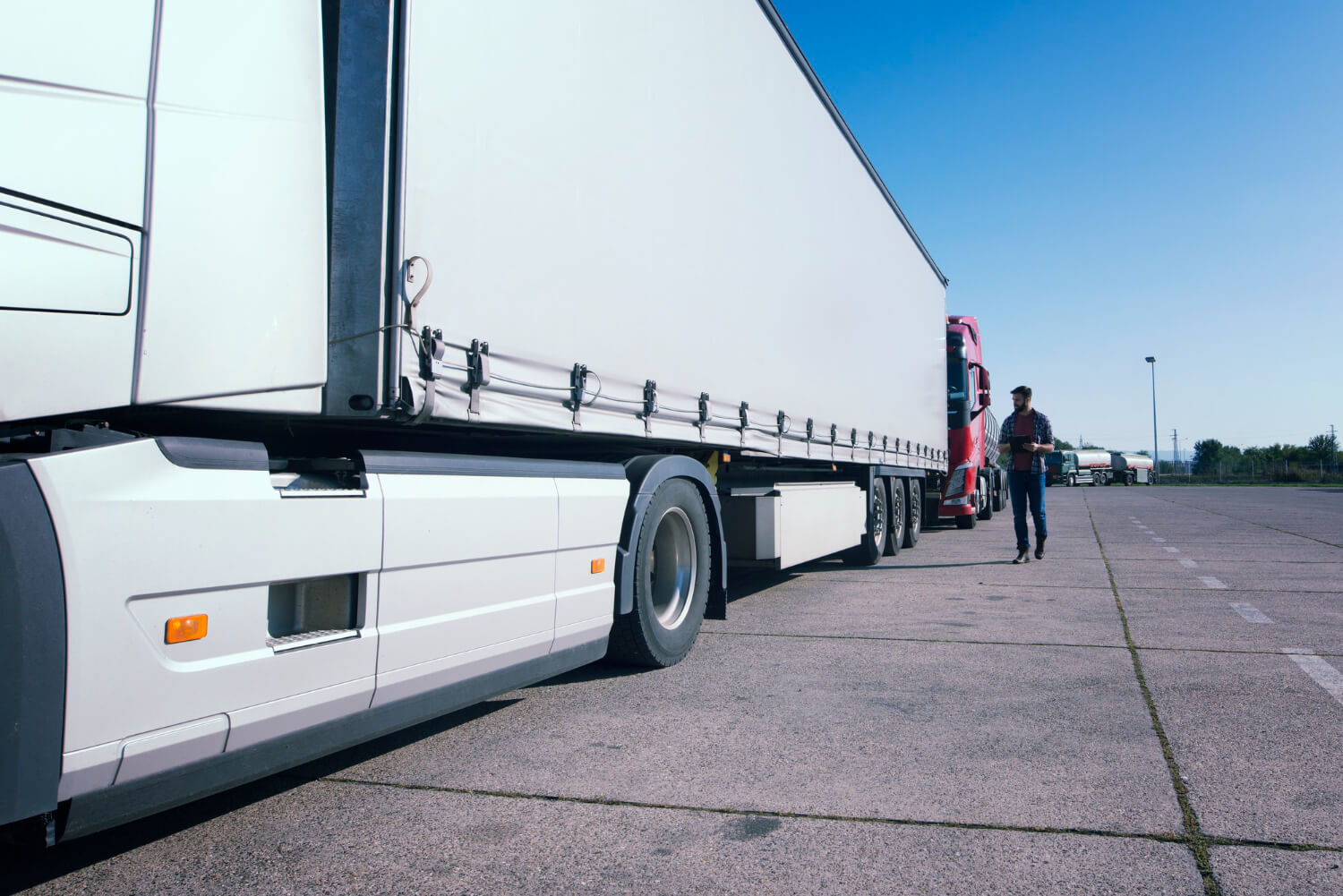
What Is Commercial Trailer Financing?
Commercial trailer financing lets a business finance a trailer purchase through a structured equipment financing arrangement rather than paying cash upfront.
Depending on the program, you may be able to finance new or used trailers. How much you can finance, and on what terms, usually comes down to the trailer's price, its age and condition, and your business's overall credit profile.
For a company that's growing, this kind of financing means you can bring on equipment without pulling a big chunk out of your available cash.
Why Businesses Look at Commercial Trailer Loans
A trailer is a real capital expense, especially if you're expanding your fleet or need something specialized. Commercial trailer loans help you hang onto cash for the things that keep the business running day to day:
- Fuel and transportation costs
- Payroll
- Insurance
- Repairs and maintenance
- Permits and registration
- Materials and operating costs
- Other investments in the business
That matters a lot in transportation, where revenue and expenses rarely land on the same schedule. Financing lets you bring on productive equipment while keeping that timing gap manageable.
What Types of Trailers Can Be Financed?
The trailer that makes sense depends entirely on the freight or work you handle:
Dry van trailers: the standard choice for general freight that doesn't need temperature control.
Reefer trailers: refrigerated units for food and other perishable, temperature-sensitive cargo.
Flatbed trailers: built for construction materials, machinery, steel, and other open-load cargo.
Specialized trailers: equipment built for a specific industry or use case. Whether these qualify for financing depends on the trailer itself and the program you're applying through.
New vs. Used Trailer Financing
New or used is usually the first real decision. A new trailer comes with the latest features and typically fewer maintenance surprises early on. A used trailer can get you into equipment at a lower price point.
Either way, don't judge the trailer on price alone. Weigh:
- Age and mileage
- Overall condition
- Maintenance history
- Specifications
- Expected useful life
- Purchase price
- What it'll actually contribute to your revenue
A cheap trailer that needs constant repair isn't actually cheap it's just deferred cost.
What Do Financing Companies Look At?
Before approving an application, a trailer financing company typically reviews:
- Personal and business credit
- Time in business
- Revenue and cash flow
- The equipment's type and value
- Trailer age and condition
- Down payment
- Existing debt or obligations
- Overall ability to handle the payment
No single number decides the outcome don't assume one weak credit score rules you out or one strong metric guarantees approval. It's the whole picture that matters.
How to Prepare for a Trailer Financing Application
A little prep goes a long way. Start with the specifics: the trailer's purchase price, year, make, model, specs, and who you're buying it from.
Then get your business and financial documentation in order. Depending on the lender, you may need information on:
- Business ownership
- Revenue
- Bank activity
- Credit history
- Existing obligations
- Details of the equipment purchase
The more accurate and complete your information, the easier it is for a financing company to evaluate the deal properly.
How Much Should You Finance?
Don't just finance the maximum you qualify for. Factor in the full cost of owning and running the trailer insurance, maintenance, registration, storage, all of it and make sure the payment fits comfortably into your business's actual cash flow.
Ask yourself the real question: will this trailer generate enough value to justify what it costs to finance? If it means more loads, less money spent renting equipment, or the ability to serve better-paying customers, then it's supporting a real business goal not just adding another bill.
How to Choose a Trailer Financing Company
Don't pick a lender based on the advertised rate alone. Look for one that actually understands commercial equipment and can evaluate your deal based on the trailer and your business, not a generic checklist.
Worth comparing:
- Experience with commercial equipment
- What equipment they'll finance
- Available financing structures
- How the application process works
- Repayment terms
- Upfront costs
- Total cost of financing
- How responsive and transparent they are
Be cautious of anyone promising guaranteed approval or oddly generous terms before they've even looked at your financials that's usually a red flag, not a good deal.
Commercial Trailer Financing for Growing Businesses
Adding a trailer is often a faster way to grow capacity than buying an entirely new truck. If you've got more freight opportunities than your current equipment can handle, trailer financing lets you scale up without draining your cash reserves.
The key is making sure the purchase ties back to a real, realistic business plan the trailer should make your operation run better, not put it under financial strain.
Frequently Asked Questions
What is commercial trailer financing?
It's a way to finance the purchase of a trailer new or used through structured payments over time instead of paying the full price upfront.
Can I get financing for a used trailer?
Yes, in many cases. Eligibility depends on the trailer's age, condition, mileage, and the specific lender's program.
What credit score do I need for a trailer loan?
There's no universal cutoff. Credit is one factor among several, including time in business, revenue, down payment, and the equipment itself.
How much down payment is typically required?
It varies by lender, trailer, and applicant. Some businesses put more down to lower their monthly payment; others keep cash on hand for operations instead.
Can a new business qualify for trailer financing?
It's possible. Requirements differ by lender, and factors beyond time in business like credit, financials, and the equipment also come into play.
What documents do I need to apply?
Typically information about the trailer and seller, your business, revenue, bank activity, and credit history. Requirements vary by financing company.
How long does trailer financing take to get approved?
Timelines depend on the lender and how complete your application is. Having your information ready upfront tends to speed things along.
Final Thoughts
Commercial trailers can be a real growth lever for trucking, logistics, construction, and other businesses that depend on hauling freight. Commercial trailer financing gives you a way to bring on that equipment without tying up the cash your business needs elsewhere.
Before applying for commercial trailer loans, take the time to evaluate the equipment, understand your budget, get your financials in order, and compare a few financing providers rather than taking the first offer.
Lewis Capital works with businesses looking to finance commercial trailers and other revenue-producing equipment. If a trailer's on your radar, it's worth exploring your financing options before you sign a purchase agreement.


Comments
Post a Comment